Key Takeaways
- Appliance noise diagnosis helps you spot small issues before they become expensive repairs.
- Unusual sounds often mean worn parts like belts, bearings, or motors, so don’t ignore them.
- A noisy appliance can use more energy, raising your utility bills.
- Prompt diagnosis saves you money and keeps your appliances running smoothly.
- Key Takeaways
- Why Appliance Noise Diagnosis Matters for Your Home
- Protect Your Appliances and Your Wallet
- Ensure Safety and Peace of Mind
- Common Sources of Strange Noises by Appliance Type
- Refrigerator Noises and What They Mean
- Dishwasher and Washer Sounds
- Dryer and Oven Noises
- Step-by-Step Appliance Diagnosis: Find the Source of Strange Noises
- Check the Easy Things First
- Listen and Test Each Part
- When to Stop and Call Us
- When to Call A TO Z IN HOME APPLIANCE REPAIR for Help
- Common Noises and What They Mean for Your Appliances
- Why Quick Action Helps with Appliance Noise Diagnosis
- Frequently Asked Questions
- Why is appliance noise diagnosis important?
- What should I do if my refrigerator makes a rattling sound?
- Can a noisy washing machine be fixed easily?
- How often should I get an appliance noise diagnosis?
Why Appliance Noise Diagnosis Matters for Your Home
Every home has noises, but some sounds mean trouble. Appliance noise diagnosis helps you catch small problems before they turn into costly repairs. For example, a rattling refrigerator might just need a leveling tweak, or it could signal a failing compressor. Energy.gov notes that regular maintenance keeps appliances efficient, and early detection is key. Thus, listening to your machines is a smart habit.
Protect Your Appliances and Your Wallet
Unusual sounds often mean worn parts like belts, bearings, or motors. So, ignoring them can lead to complete breakdowns, which cost more to fix. Moreover, a noisy appliance uses more energy, raising your utility bills. We at A TO Z IN HOME APPLIANCE REPAIR see this often, and prompt diagnosis saves you money.
For instance, a dishwasher that squeals may have a clogged pump. Instead, a quick check can prevent water damage to your floors. Dishwasher troubleshooting guides show you simple steps to try at home. Meanwhile, a loud dryer could mean a worn drum roller, which is a simple fix if caught early. Dryer drum repair can extend your machine’s life.
Ensure Safety and Peace of Mind
Some noises point to safety risks, like gas leaks or electrical issues. Therefore, a humming oven or a clicking range needs immediate attention. Also, a noisy fridge might have a faulty ice maker, which could cause leaks. So, don’t wait for the sound to get worse.
In short, appliance noise diagnosis gives you control over your home’s health. It helps you decide when to DIY and when to call a pro. As a result, you avoid surprise breakdowns and keep your family safe. Above all, a quiet home is a happy home, and we’re here to help you achieve that.
Common Sources of Strange Noises by Appliance Type
Every appliance makes some noise when it runs. However, strange sounds often point to a real problem. Our team uses appliance noise diagnosis to find the source fast.
First, listen to the type of sound. A hum, rattle, or squeal each tells a different story. So, pay attention to when the noise happens.
Refrigerator Noises and What They Mean
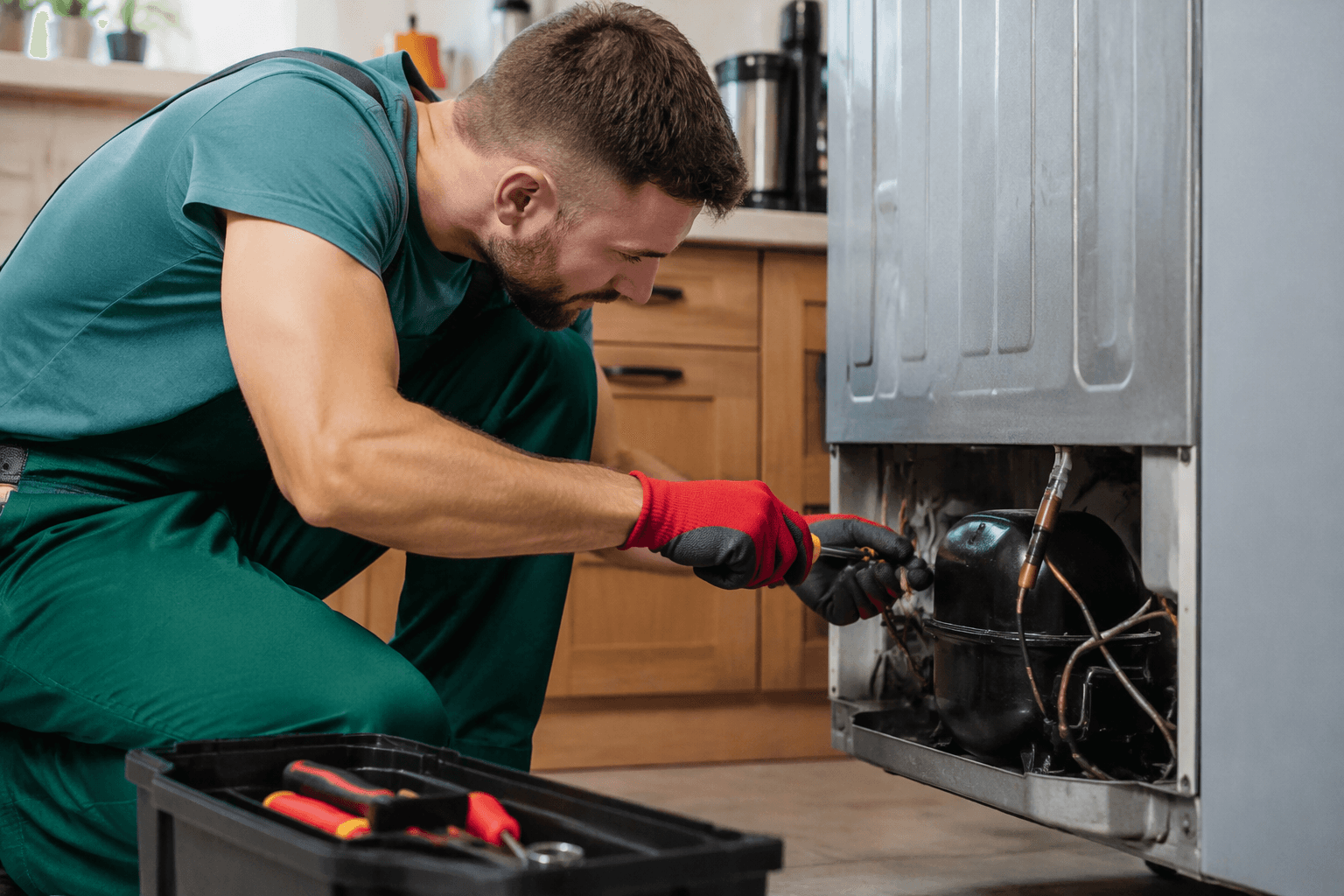
Refrigerators can buzz, click, or groan. Also, a loud hum may come from the condenser coils or fan. Likewise, a clicking sound often means the defrost timer is working.
Then, check if the noise comes from the back or inside. For example, a rattling noise might be loose parts. In short, quick checks can save you a service call.
Dishwasher and Washer Sounds
Dishwashers often make a grinding noise when food bits hit the spray arm. Meanwhile, a thumping sound may mean the motor bearing is worn. Also, washers can bang during the spin cycle.
Next, look for loose items in the drum or filter. Besides that, a squealing washer often needs a new belt. Of course, our appliance noise diagnosis helps you decide what to fix.
Dryer and Oven Noises
Dryers can squeak or rumble when the drum roller fails. For example, a loud squeal usually means a worn belt. Similarly, an oven may tick as it heats and cools.
However, a constant hum from the oven could be a faulty igniter. In addition, check for loose panels or screws. As a result, you can avoid bigger repairs later.
Still not sure about the sound? Then, call us for a full appliance noise diagnosis. We can also help with dryer drum repair tips or dishwasher troubleshooting steps.
Step-by-Step Appliance Diagnosis: Find the Source of Strange Noises
Strange noises from your appliances can be alarming. So, before you panic, take a deep breath and start a simple appliance noise diagnosis. This step-by-step guide helps you find the source of the sound quickly.
First, unplug the appliance for safety. Then, listen closely to where the noise comes from—front, back, top, or bottom. For example, a rattling sound often means loose parts, while a grinding noise points to worn bearings.
Check the Easy Things First
Next, inspect the appliance for obvious issues. Look for loose screws, debris, or items stuck in moving parts. Meanwhile, check if the appliance is level on the floor—an uneven base can cause vibrations and loud hums.
Also, clean any filters or vents that might be clogged. A blocked filter can make a motor work harder and create extra noise. In short, many noises come from simple buildup, not major damage.
Listen and Test Each Part
Then, run the appliance through a cycle while you listen. For example, a washer that thumps during spin may have an unbalanced load. Besides that, a dryer that squeaks could need a new drum belt—see our dryer drum repair tips for help.
Moreover, test each function separately—spin, heat, or cool. This way, you can pinpoint which part makes the noise. However, if the sound continues, it may be time to call a pro for a full appliance noise diagnosis.
When to Stop and Call Us
Some noises mean serious trouble, like electrical buzzing or loud banging. In that case, do not keep using the appliance—turn it off and unplug it. Instead, contact A TO Z IN HOME APPLIANCE REPAIR for expert help.
Of course, we can handle any appliance issue in Sacramento and nearby areas. Also, check our full appliance repair services to see how we can help. In short, a quick diagnosis saves you time and money—and keeps your home quiet again.
When to Call A TO Z IN HOME APPLIANCE REPAIR for Help
Strange sounds from your appliances can be worrying. We understand that a noisy fridge or washer disrupts your peace. So, you might wonder when to pick up the phone and call us for help.
First, listen for loud banging, grinding, or squealing noises. These sounds often mean a part is loose or worn out. As a result, ignoring them can lead to bigger, costlier damage.
Common Noises and What They Mean for Your Appliances
For example, a refrigerator that hums too loudly may have a failing compressor. A washing machine that thuds during the spin cycle could have a broken drum bearing. Meanwhile, a dryer that squeaks might need new rollers or a belt.
However, not every noise is a crisis. Some sounds are normal, like a gentle water flow. Yet, if the noise gets louder or changes, it is time to act.
Why Quick Action Helps with Appliance Noise Diagnosis
In short, quick action saves you money and stress. Our team excels at appliance noise diagnosis. We find the exact source of the problem fast. Then, we fix it right the first time.
Besides, our expert technicians have the tools and experience for accurate appliance noise diagnosis. We handle all major brands and models. In fact, we also offer simple tips to prevent future issues. For more help, check our guide for a washer that stops spinning or our dryer overheating safety tips.
Therefore, do not wait for the noise to become unbearable. Call A TO Z IN HOME APPLIANCE REPAIR today. We will make your home quiet again with reliable, professional service.
Frequently Asked Questions
Why is appliance noise diagnosis important?
Appliance noise diagnosis helps you catch small issues early. So, you avoid expensive repairs later. Also, it keeps your appliances running efficiently.
What should I do if my refrigerator makes a rattling sound?
First, check if the fridge is level. For example, adjust the feet to stop the rattle. However, if the sound persists, it might be a failing compressor. So, call A TO Z IN HOME APPLIANCE REPAIR for a professional appliance noise diagnosis.
Can a noisy washing machine be fixed easily?
Often, yes. Worn belts or bearings cause most noises. So, replacing these parts is a simple fix. In fact, our technicians can do it quickly.
How often should I get an appliance noise diagnosis?
We recommend an annual check-up. Also, listen for any new or strange sounds. So, if you hear something odd, schedule a diagnosis right away. This proactive step saves you money.